
Kratom Strains
Kratom strains are commercial classifications defined by the color of the leaf veins and the geographical region where the plant is grown. Commonly categorized as Red, Green, White, Yellow, and Gold, these varieties may also differ in their drying methods, processing techniques, and blends.
At MIT Therapy, we offer a wide selection of Kratom strains in different formats, including powders, capsules, and specialty blends. Explore the different types of Kratom strains, compare their characteristics using our Kratom strain chart, and browse available varieties, brands, and pack sizes to find products that match your preferences.
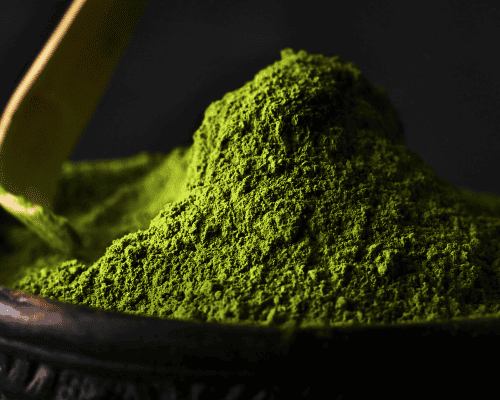
Different Types of Kratom Strains
From traditional Red, Green, and White varieties to specialty Yellow and Gold blends, there are several types of Kratom strains to explore. Each category has its own commercial naming conventions and processing characteristics.
Here is a quick Kratom strains comparison table before we discuss each strain in detail:
Strain | Leaf Maturity Stage | Primary Processing / Drying Method | Alkaloid Profile Impact |
Red | Fully mature leaves | Dried under prolonged light or fermented in sealed bags before final drying. | High oxidation alters the mitragynine ratio. |
Green | Mid-maturity leaves | Dried indoors out of direct light, followed by a brief period of outdoor sun drying. | Preserves the baseline alkaloid ratios. |
White | Youngest/early-stage leaves | Dried completely indoors with no light or air exposure, bypassing the outdoor sun. | Retains high baseline mitragynine concentration. |
Yellow | Mid-to-late maturity | Created via specialized outdoor sun-drying, unique fermentation, or blending red/white bases. | Features a modified, highly variable profile. |
Read more about different Kratom strain varieties:
Explore the Best Kratom Strains at MIT Therapy
Browse some of the most popular Kratom strain varieties available at MIT Therapy:
Red Vein Kratom
Red Vein Kratom
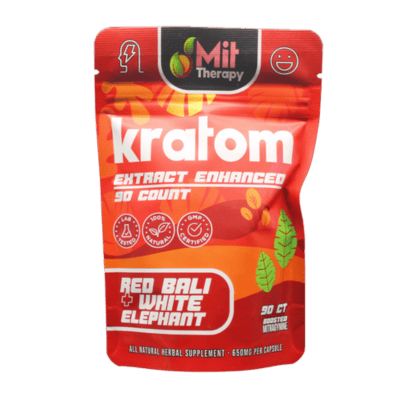
Red Kratom undergoes an oxidation and indoor fermentation process that changes the moisture content of the leaves. These processing conditions give the final powder a darker color than other varieties, without changing the plant's genetic characteristics.
Green Vein Kratom
Green Vein Kratom
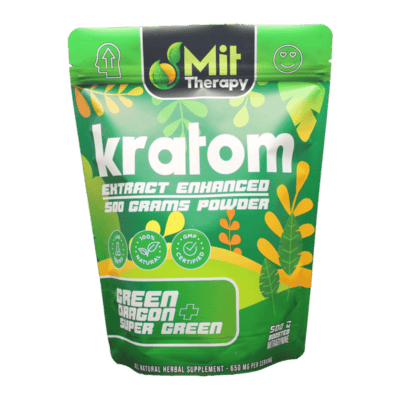
Green Kratom is processed to preserve the leaves' natural chlorophyll content. The leaves are dried indoors in the shade, followed by a short period of outdoor sun exposure. This drying process helps maintain the leaf's green color and chemical composition.
White Vein Kratom
White Vein Kratom
White Kratom is typically associated with leaves harvested during the plant's early growth stages. After harvesting, the leaves are dried indoors under controlled conditions with limited exposure to sunlight. This process helps preserve the characteristics of the younger leaves.
Yellow Vein Kratom
Yellow Vein Kratom
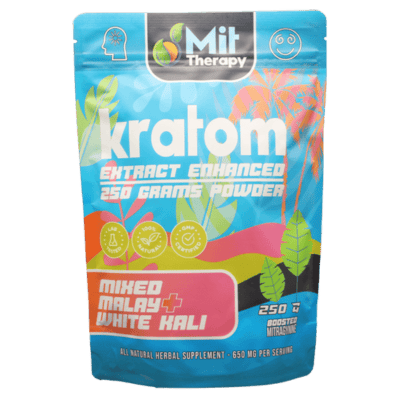
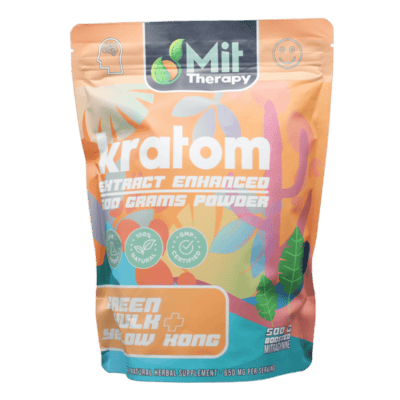
Yellow Kratom is produced through an additional processing step. This may involve blending separately dried Kratom leaves or allowing them to undergo fermentation for several days. These methods can change the natural composition of the processed leaves.
Gold Vein Kratom
Gold Kratom is commonly associated with extended exposure to direct sunlight or blending fully mature, dried Kratom leaves in specific proportions. These post-harvest methods change the characteristics of the leaf material before it is ground into powder.
Read more about Kratom strains —
Buying Guide For The Best Kratom Strains
Ready to take a deep dive in the world of natural wellness but don’t know where to begin? Finding the right Kratom strain is much easier than you think. Here is a simple step-by-step guide that will help you choose the perfect strain for you:
Know the basics: There are different types of Kratom strains: red, green, white, yellow, and gold. Each one offers a unique vibe. If you’re unsure where to start, our detailed red vs green Kratom guide is a great first step, helping you compare two of the most in-demand varieties side by side.
Consider your requirement. Pick a strain that matches your lifestyle.
Start small and take your time: Try one strain at a time to see how it fits into your routine.
Choose quality: At MIT Therapy, our Kratom is rigorously lab-tested, and carefully handled from start to finish, giving you products that are as consistent, pure, and always reliable.
How to Choose the Best Kratom Strains for Your Preferences
With so many Kratom varieties available, choosing the right one comes down to more than just color or strain name.
Here are a few important factors to consider when comparing different Kratom products:
Strain Names and Origins: Look beyond popular names like Bali, Borneo, Maeng Da, and Malay. These are common commercial classifications, but they don't always confirm the exact geographical origin of the leaves.
Alkaloid Composition: Kratom contains naturally occurring alkaloids, including mitragynine. Since concentrations can vary between products and batches, check available laboratory reports rather than relying solely on strain labels.
Product Formats: Decide whether you preferKratom powder,capsules, or specialty blends. Each format has different packaging, ingredient specifications, and product options.
Lab Testing and COAs: Review available Certificates of Analysis (COAs) to understand the product's tested alkaloid concentrations and other reported laboratory findings.
Pack Sizes and Pricing: Compare the available quantities, packaging options, and prices to find a product that matches your purchasing preferences.
Why Shop Kratom Strains at MIT Therapy?
At MIT Therapy, we bring different Kratom varieties, brands, and product formats together, making it easier to explore and compare the available selections.
Wide Selection of Kratom Varieties
From Red, Green, and White categories to specialty Yellow, Gold, and mixed blends, our collection includes several commercial Kratom classifications under one roof.
Multiple Brands and Product Formats
Whether you're comparing traditional leaf powders, capsules, or specialty formulations, you can explore products from different manufacturers without browsing multiple stores.
Access to Lab-Reports
Product transparency matters when comparing Kratom varieties. That's why we provide access tolaboratory reports for selected products.
These reports may include batch-specific alkaloid concentrations and other testing information, helping you review documented product characteristics rather than relying solely on commercial strain names.
Different Packaging and Quantity Options
Our Kratom products come in different sizes and packaging configurations. Review individual listings for available powder weights, capsule counts, product quantities, and pricing.
Kratom Strain Chart - Types and Color Comparison
Want to compare different strains but don’t know where to start? This kratom strains chart is going to be the beacon that guides you on your wellness journey. Kratom strains are typically grouped by color: red, green, white, yellow, and gold. Each is shaped by unique harvest times and drying techniques. To help you compare them side by side, we’ve included a Kratom strains comparison chart that will make strain selection easy as a breeze.
Strain Type | Vein Color | Origin | Harvest Time |
Red Strains | Red | Indonesia, Thailand, Malaysia | At peak maturity |
Green Strains | Green | Indonesia, Malaysia, Thailand, Vietnam | Mid‑maturity |
White Strains | White | Indonesia, Thailand, Malaysia, Vietnam | Early stages of growth |
Yellow Strains | Yellowish hue | Thailand, Vietnam | Similar to green harvest |
Gold Strains | Golden hue | Indonesia, Thailand, Malaysia | Post-harvest specialized curing |
How To Store Your Kratom Strains For Maximum Freshness?
To keep your Kratom strains fresh and reliable, a little smart storage goes a long way.
Start by placing your Kratom in an airtight container, preferably glass or high-quality plastic. This helps preserve its natural properties and keeps outside elements from affecting it.
Then, store the container in a cool, dry, and dark place, like a cupboard or drawer, away from direct sunlight or humidity.
Avoid frequent opening, and don’t keep Kratom near heat sources or strong-smelling items. Refrigeration isn’t recommended, as the moisture can degrade the quality over time.
No matter the types of Kratom strains you choose, proper storage helps maintain freshness and consistency. It's a simple step that protects the effort invested in carefully harvested and lab-tested products, like the ones offered at MIT Therapy. Keep it sealed, cool, and dry, and you’re good to go.