
Bali Kratom is one of the most recognized Kratom strain names, available in Red, Green, and White varieties across powder, capsule, and extract formats. But is Bali Kratom actually from Bali? And what makes it different from other Kratom strains?
This Bali Kratom review explores its origins, history, key characteristics, alkaloid composition, and available product formats. We'll also compare different Bali varieties, explain important product-label information, and highlight what to check before buying Bali Kratom online.
Key Takeaways:
Bali Kratom is a commercial strain classification associated with Mitragyna speciosa, commonly sourced from Indonesia.
Red, Green, and White Bali are popular varieties, although their names don't guarantee distinct alkaloid compositions.
Mitragynine is the primary alkaloid in Bali Kratom, alongside smaller amounts of 7-hydroxymitragynine and other naturally occurring compounds.
Bali Kratom comes in powder, capsules, and extracts, with different manufacturing processes and product specifications.
Before purchasing, compare lab reports, sourcing information, product labels, and applicable local regulations.
What Is Bali Kratom?
Bali Kratom is a popular Kratom strain made from the leaves of the Mitragyna speciosa tree, which grows in Southeast Asia. It belongs to the Rubiaceae plant family, the same family as coffee.
The term Bali Kratom is primarily a commercial strain classification rather than a separate botanical species. Products carrying this name are generally associated with Indonesian Kratom and may be offered in different forms depending on the manufacturer.
Although Bali Kratom is widely recognized in the botanical market, its strain name alone does not establish a particular chemical composition or manufacturing standard.
Origin and History of Bali Kratom
Is Bali Kratom Really From Bali?
Despite its name, Bali Kratom does not necessarily originate from the Indonesian island of Bali. Much of the Kratom marketed under this name is associated with other Indonesian growing regions, particularly Borneo (Kalimantan) and Sumatra.
Indonesia has a tropical climate, abundant rainfall, and growing regions associated with Mitragyna speciosa. These conditions have contributed to the country's role in the international Kratom supply chain.
The name Bali Kratom is widely believed to have emerged from Indonesia's botanical trade, with some vendors suggesting that Bali served as a distribution point for Kratom sourced from surrounding islands. However, this explanation remains a trade account rather than a verified historical fact.
Today, Bali is primarily a commercial strain name rather than a guarantee of geographic origin. A product labeled Red, Green, or White Bali may come from different Indonesian suppliers.
A Brief History of Kratom
Kratom has been part of Southeast Asian botanical traditions for generations, particularly in Indonesia, Thailand, and Malaysia. Historical records describe local communities harvesting and using Mitragyna speciosa leaves long before modern commercial strain names became popular.
The plant's scientific and regulatory history includes several important milestones:
Year or Period | Historical Development |
Early 19th century | Kratom began appearing in Western botanical accounts of Southeast Asian plants |
19th century | Dutch botanist Pieter Willem Korthals contributed to the scientific description and classification of the plant |
1897 | Botanist George Darby Haviland established the accepted classification Mitragyna speciosa (Korth.) Havil. |
Early 20th century | Researchers began identifying and studying Kratom's naturally occurring alkaloids, including mitragynine |
1943 | Thailand introduced the Kratom Act, restricting the cultivation of Kratom trees |
Modern commercial era | Names such as Bali, Maeng Da, and Borneo became established classifications in international Kratom markets |
TheWorld Health Organization's expert report on Kratom documents its botanical history, geographic distribution, and scientific classification.
As international trade expanded, Kratom products began appearing in different commercial formats and under a growing number of strain names. Bali Kratom became one of these widely recognized classifications. These modern strain names reflect commercial naming practices rather than separate botanical species or historically standardized classifications.
Key Strain Characteristics of Bali Kratom
A complete Bali Kratom review should look beyond the strain name. Here are some defining characteristics of this commercially recognized variety.
Harvesting and Processing
Bali Kratom comes from the leaves of *Mitragyna speciosa* trees.
After harvesting, leaves undergo drying and other post-harvest processing methods.
Manufacturers may use indoor drying, outdoor drying, or controlled processing techniques.
Dried leaves are commonly ground into powder or manufactured into capsules and extracts.
Processing practices can vary between suppliers, even when products share the same Bali strain name.
Product Classification
Bali Kratom is generally marketed under Red, Green, and White classifications. These labels may reflect manufacturer-specific sourcing, processing, or blending practices.
However, no universal industry standard establishes that every Bali color classification follows an identical production method.
The Bali Kratom Alkaloid Profile
Bali Kratom contains naturally occurring alkaloids found in *Mitragyna speciosa*. Mitragynine is generally the dominant compound, while several other alkaloids are present in smaller quantities.
Here's a quick breakdown:
Alkaloid | What to Know |
Mitragynine | One of the primary alkaloids naturally present in Kratom leaves |
7-Hydroxymitragynine (7-OH) | A minor naturally occurring alkaloid, generally present in much smaller quantities |
Paynantheine | Another naturally occurring Kratom alkaloid |
Speciogynine | One of several compounds identified in Mitragyna speciosa |
Speciociliatine | An additional alkaloid found in Kratom's chemical composition |
Does Alkaloid Composition Differ Between Bali Varieties?
Some vendors associate Red, Green, White, Gold, and Yellow Bali Kratom with different processing methods and alkaloid ratios. However, these differences are not universally standardized.
A2023 study comparing commercially labeled Kratom varieties found no statistically significant differences in alkaloid content among the tested Red, Green, and White products.
What this means: Two Bali Kratom products may have different alkaloid concentrations despite sharing the same classification. Batch-specific laboratory reports provide a more reliable comparison than generalized strain descriptions.
Understanding the Different Types of Bali Kratom
Bali Kratom is commonly categorized into Red, Green, and White varieties. These classifications reflect different commercial processing traditions, though manufacturers do not necessarily use identical methods.
Feature | Red Bali Kratom | Green Bali Kratom | White Bali Kratom |
Commercial classification | Red Bali | Green Bali | White Bali |
Common processing description | Extended drying or curing | Indoor and outdoor drying | Air-drying or vendor-specific processing |
Product formats | Powder, capsules, extracts | Powder, capsules | Powder, capsules |
Alkaloid concentrations | Vary by batch | Vary by batch | Vary by batch |
Red Bali Kratom
Red Bali is one of the most widely recognized Bali classifications.
It is commonly associated with mature Kratom leaves and extended drying or curing methods, although actual manufacturing practices vary.
Red Bali is available as a standalone Kratom product and may also be included in blended formulations.
Green Bali Kratom
Green Bali is another established Bali strain classification, commonly offered in powder and capsule formats.
Manufacturers may use a combination of indoor and outdoor drying methods for Green Bali products.
Its alkaloid composition depends on the source material and individual manufacturing batch, not the Green Bali label alone.
White Bali Kratom
White Bali is commonly associated with particular leaf selection and post-harvest processing practices.
It belongs to the same Mitragyna speciosa species as Red and Green Bali, with product specifications differing across manufacturers.
The White Bali classification does not independently establish a particular mitragynine or 7-OH concentration.
Want to explore these varieties in more detail?
Which Bali Kratom Variety Should You Choose?
Choosing between Bali Kratom varieties comes down to which classification appeals to you and the type of product you're looking for. Red, Green, and White Bali are the most common options, while select manufacturers offer Gold and Yellow.
Here's a simple preference guide:
Prefer Green Bali Kratom if you're interested in a commonly available Bali variety with multiple powder and capsule options.
Prefer Red Bali Kratom if you want to explore one of the most established Bali classifications, including standalone products and Red Bali blends.
ChooseWhiteBaliKratomif you want a different Bali classification to compare with Red and Green varieties.
Bali Kratom Forms
Bali Kratom is available in several formats, giving buyers different options based on packaging and product preferences.
Form | Description | What to Compare |
Bali Kratom Powder | Dried and finely ground Kratom leaves | Net weight, sourcing, testing |
Bali Kratom Capsules | Kratom powder enclosed in capsules | Capsule count, ingredients, packaging |
Bali Kratom Extract | Concentrated botanical preparation | Alkaloid concentration, extraction information, lab reports |
Bali Kratom Powder
Bali Kratom powder is one of the most common forms, manufactured by drying and grinding Kratom leaves.
It is offered in different package sizes, ranging from smaller pouches to bulk quantities.
Explore theKratom powder collection to compare available formats.
Bali Kratom Capsules
Capsules contain Kratom powder enclosed in individual shells.
They provide a distinct packaging format with clearly identifiable capsule counts and manufacturer specifications.
Browse theKratom capsules collection for available options.
Bali Kratom Extract
Bali Kratom extract is produced through extraction processes that concentrate selected botanical compounds.
Unlike traditional powder, extract products may contain substantially different alkaloid concentrations.
Buyers should review individual product labels and laboratory documentation when comparing extract formulations.
Bali Kratom vs Other Popular Strains
Among the manyKratom strains, Bali is a widely recognized commercial variety. Here's how it compares with other common strain names.
Feature | Bali Kratom | Maeng Da Kratom | Borneo Kratom | Thai Kratom |
Naming association | Bali/Indonesian trade | Commercial strain name | Borneo island | Thailand |
Botanical species | Mitragyna speciosa | Mitragyna speciosa | Mitragyna speciosa | Mitragyna speciosa |
Common formats | Powder, capsules, extracts | Powder, capsules, extracts | Powder, capsules, extracts | Powder, capsules, extracts |
Alkaloid composition | Batch-dependent | Batch-dependent | Batch-dependent | Batch-dependent |
Although these strains have different commercial identities, the names alone do not establish consistent differences in chemical composition.
For a closer comparison, explore:
Bali Kratom Dosage Guide
When it comes to Bali Kratom dosage, there isn't a universally established amount applicable to every product.
Kratom powder, capsules, and extracts can contain different alkaloid concentrations, while manufacturers may use different serving information on their labels.
What to Check on Product Labels
Powder: Review the net weight and manufacturer-provided serving information, if available.
Capsules: Check the capsule count and declared Kratom content.
Extracts: Look for labeled alkaloid concentrations and batch testing information.
Blends: Review the ingredient list and any disclosed quantities for the included varieties.
Why Bali Kratom Dosage Information Varies
The Bali name does not guarantee a fixed concentration of mitragynine or other alkaloids. Concentrations can differ between manufacturers and individual batches.
There is no FDA-approved Bali Kratom dosage, and general dosage tables should not be treated as standardized product instructions.
For additional regulatory information, refer to theFDA's Kratom information page.
Safety Considerations Before Buying Bali Kratom
When comparing Bali Kratom products, it's important to review the manufacturer's disclosures and available testing information.
Check applicable state and local regulations before purchasing.
Read ingredient labels and manufacturer warnings carefully.
Look for batch-specific laboratory documentation where available.
Verify manufacturer and product identification details.
Review additional restrictions that may apply to concentrated Kratom extracts.
For more purchasing considerations, read our guide onwhere to buy Kratom near me.
Legal Status of Bali Kratom in the U.S.
The legal status of Bali Kratom varies across the United States.
Although traditional Kratom leaf is not federally scheduled under the Controlled Substances Act, several states and local jurisdictions have enacted restrictions or bans.
State prohibitions: States including Alabama, Arkansas, Indiana, Kansas, Louisiana, Tennessee, Vermont, and Wisconsin prohibit Kratom under their respective laws. Connecticut and Massachusetts also introduced restrictions in 2026.
Regulated markets: Other states impose requirements concerning purchasing age, labeling, testing, and product composition.
Product-specific restrictions: Certain jurisdictions restrict concentrated alkaloids or products that do not meet pure-leaf requirements.
Federal developments: Rules concerning specific semisynthetic Kratom compounds and concentrated alkaloids are evolving separately from the status of traditional Kratom leaf.
Regulations can change, so buyers should verify requirements for their particular location and product format.
For updated state-level information, consult theRockefeller Institute's Kratom Policy Dashboard.
Bali Kratom Powder Review: What to Check Before Buying
Not all products marketed as premium Bali Kratom powder come with identical specifications.
A useful Bali Kratom powder review should look beyond the strain name and evaluate the following:
Buying Factor | What to Look For |
Third-party testing | Available Certificates of Analysis |
Batch identification | Lot or batch numbers |
Ingredient labeling | Clearly stated botanical contents |
Manufacturer information | Identifiable manufacturer or supplier |
Packaging | Net weight and storage details |
Sourcing transparency | Available origin and processing information |
These details provide a more practical basis for comparing Bali Kratom products than general marketing descriptions.
Where to Buy Bali Kratom
Looking for Bali Kratom for sale? Depending on local regulations and inventory, you may find Bali Kratom products at specialty botanical retailers and online stores.
At MIT Therapy, customers can explore multiple Kratom formats and strain options.
Explore Bali Kratom Products at MIT Therapy
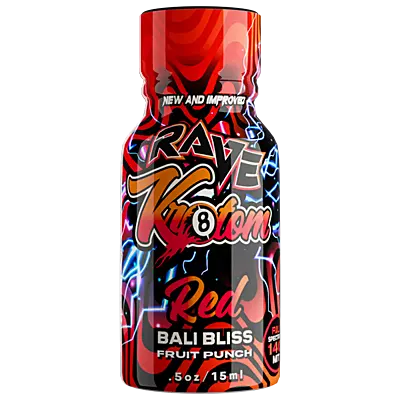
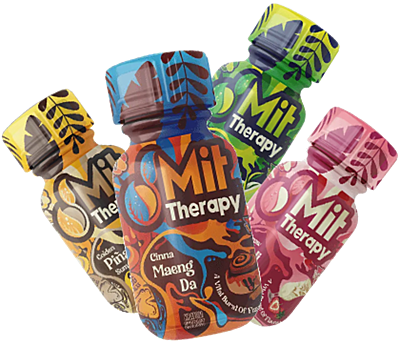
RAVE Red Bali Bliss Extract Shot (Fruit Punch) — A Red Bali-labeled liquid extract product.
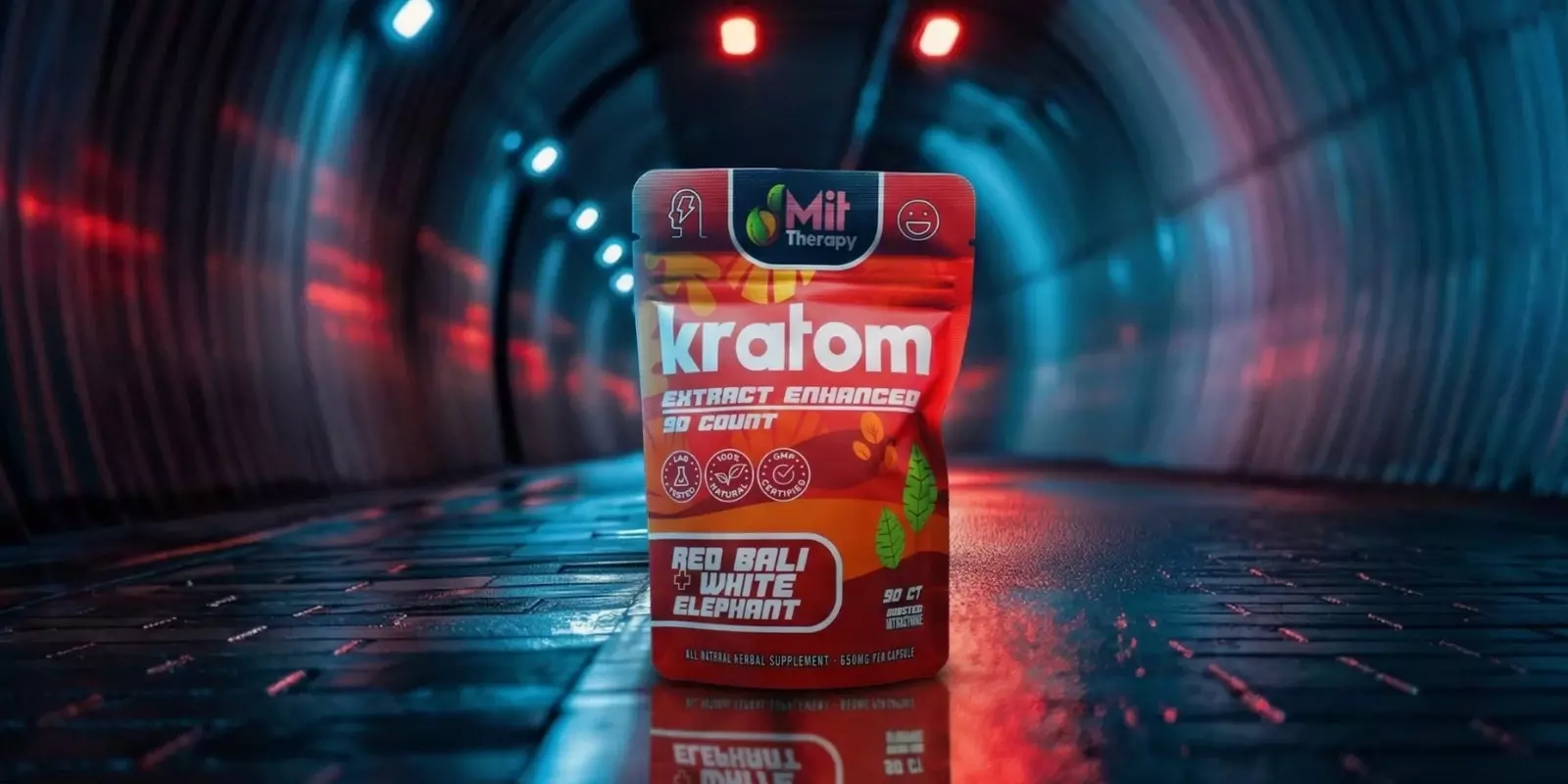
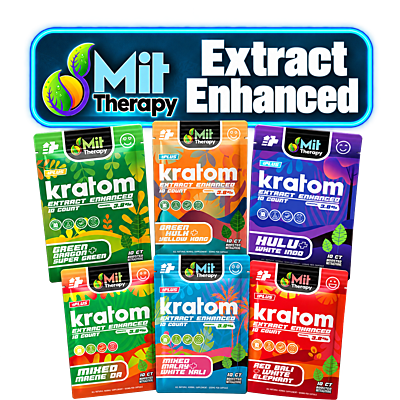
MIT Therapy Red Bali + White Elephant — A blended Kratom formulation.
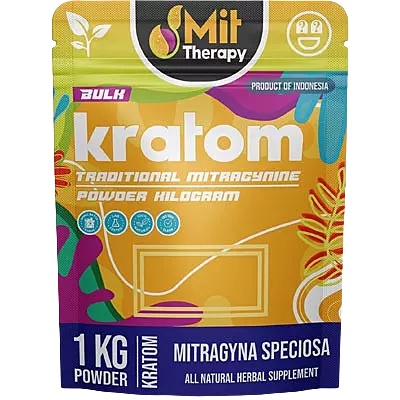
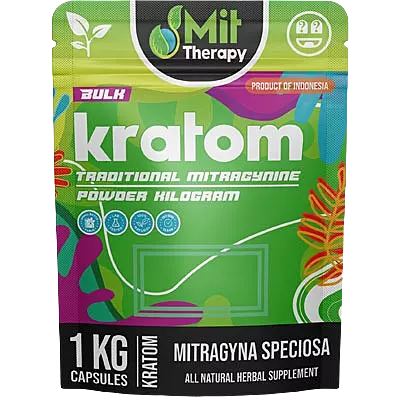
MIT Therapy Traditional Kilogram Powder — A bulk powder product with strain selections that may include Red Bali.
MIT Therapy Traditional Kilogram Capsules — A capsule product offered with selectable strain varieties.
Product availability and strain options may change, so review the current listings before ordering.
Explore availableKratom products and manufacturer documentation before making a purchase.
Conclusion
Bali Kratom remains one of the most recognized commercial strain classifications, with Red, Green, and White varieties available across multiple product formats. While these names distinguish products in the marketplace, sourcing, processing, and alkaloid concentrations can vary between manufacturers.
Whether you're comparing Bali Kratom powder, capsules, or extracts, reviewing product specifications and laboratory documentation is an important part of making an informed purchasing decision.
Frequently Asked Questions
What Is the Difference Between Bali Kratom and Indonesian Kratom?
Bali Kratom is a commercial strain classification, while Indonesian Kratom is a broader geographic description. Bali-labeled products may originate from different Indonesian growing regions.
Is Gold Bali Kratom Different From Red Bali?
Yes. Gold Bali and Red Bali are separate commercial classifications. Some suppliers associate Gold Bali with additional processing or blending, but production methods are not standardized across manufacturers.
Does Bali Kratom Have More Mitragynine Than Other Strains?
Not necessarily. Mitragynine concentrations vary by product and batch. The Bali classification does not guarantee higher levels than Maeng Da, Borneo, or other Kratom strains.
Can Bali Kratom Be Purchased in Bulk?
Yes. Some retailers offer Bali Kratom powder and capsules in larger packaging sizes, including kilogram quantities. Availability varies according to the manufacturer and retailer.
How Should Bali Kratom Powder Be Stored?
Keep Bali Kratom powder in its original, tightly closed packaging, away from moisture, excessive heat, and direct sunlight. Follow the manufacturer's storage instructions.
Can Red, Green, and White Bali Kratom Have Similar Alkaloid Profiles?
Yes. Research suggests that commercially labeled Kratom varieties can have overlapping alkaloid compositions. Reviewing batch-specific laboratory results is a more reliable comparison method than relying on strain names.
Disclaimer
This article is intended for informational purposes only and does not constitute medical or legal advice. Kratom products have not been approved by the FDA to diagnose, treat, cure, or prevent any disease. Product availability and legal restrictions vary by jurisdiction. Consult applicable regulations and qualified professionals where appropriate.