
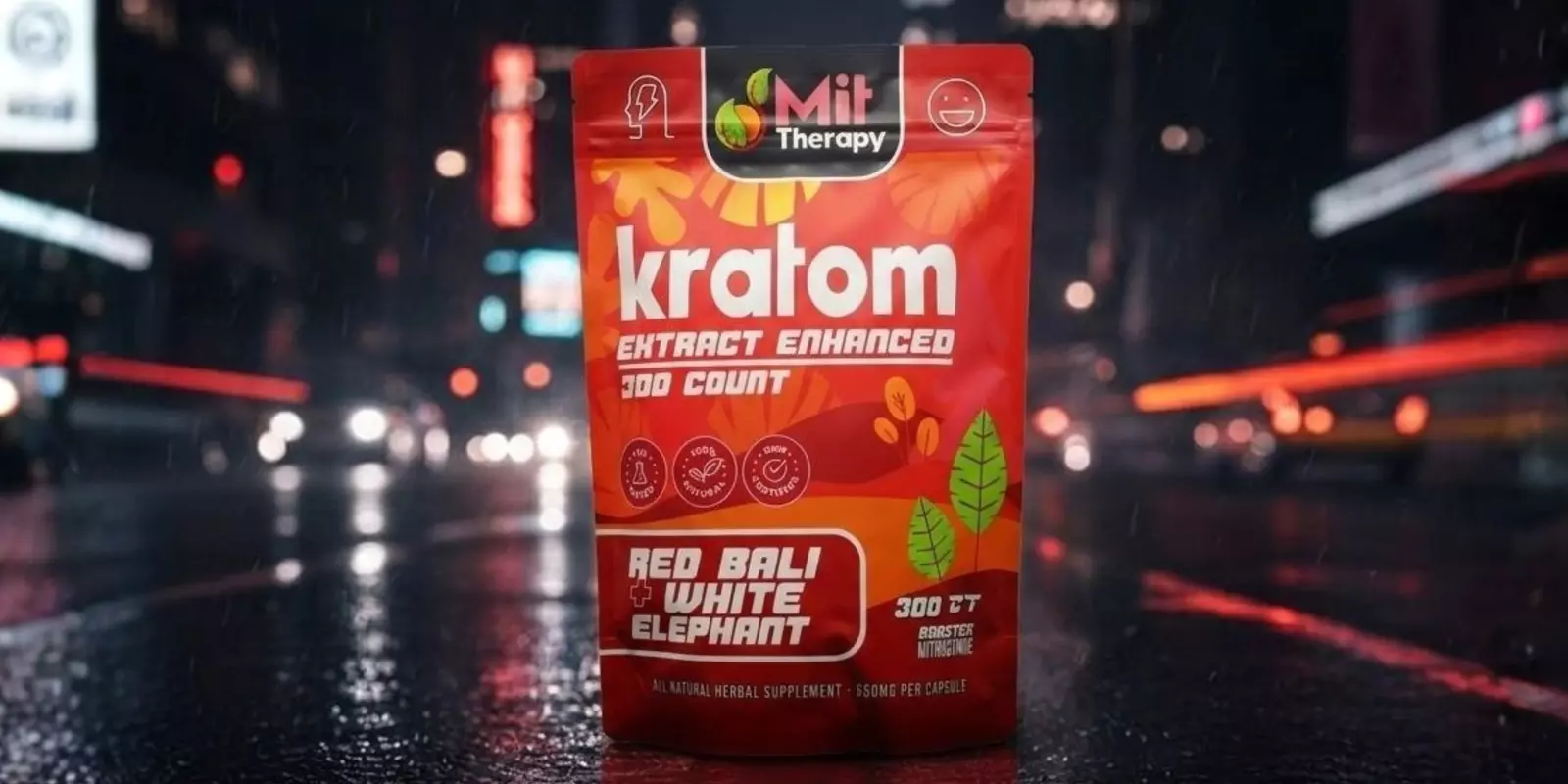
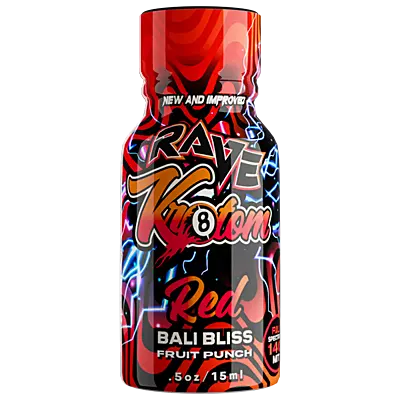
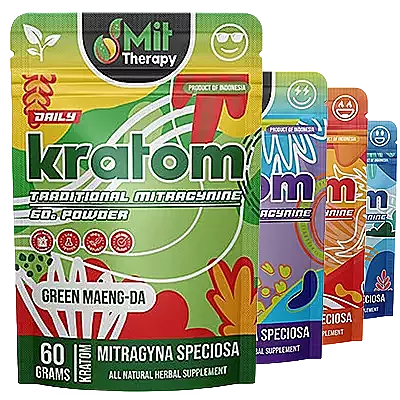
Red Kratom is a red vein variety of Mitragyna speciosa, a tropical tree native to Southeast Asia. It includes several popular strains, such as Red Bali, Maeng Da, Borneo, Thai, each distinguished by its commercial naming, regional origins, and processing methods.
But how much do these strain names actually tell you about the product? This guide takes a closer look at Red strain Kratom, from its origins and alkaloid composition to its different strains, product formats, and quality considerations.
📌Key Takeaways
Red Kratom is a Mitragyna speciosa variety classified by vein color and processing methods.
Popular strains include Red Maeng Da, Red Bali, Red Borneo, Red Thai, and Red Indo.
Alkaloid concentrations vary with growing conditions, harvesting, and processing.
Red Kratom comes in powder, capsules, and extracts; check lab reports and product quality before buying.
Table of Contents
What Is Red Kratom? Understanding Red Strain Kratom
Understanding Alkaloids In Red Kratom
Popular Red Kratom Strains
Red Vs Green Vs White Kratom: What’s The Difference?
Common Ways People Take Red Vein Kratom
7 Tips To Choose High-Quality Red Kratom Products
Questions You May Ask As A Red Kratom User
What Is Red Kratom? Understanding Red Strain Kratom
Red vein Kratom is a specific variety of Mitragyna speciosa, a tropical tree native to Southeast Asia. It gets its name from the distinctive red-colored veins and stem found on the plant's leaves.
How Does Red Kratom Get Its Color?
The “red” in Red Kratom refers to the color of the main vein that runs through the center of the leaf. On the Mitragyna speciosa tree, leaves go through natural changes as they grow. Younger leaves often have lighter-colored veins, while more mature leaves can develop deeper shades, including red.
But the story doesn’t end at harvest. Post-harvest handling also plays a crucial role in how the final product is classified.
👉 Here’s what influences the color of red strain Kratom:
Leaf maturity: More mature leaves tend to show darker vein colors.
Drying method: Sun-drying, indoor drying, or extended curing can deepen the shade of the harvested leaves.
Oxidation: Exposure to air during the drying stage alters the final appearance of the plant material.
Fermentation: Certain red varieties go through longer, specialized curing periods, which alters both color and texture.
Understanding Alkaloids In Red Kratom
Kratom leaves naturally contain active compounds known as alkaloids.
In the Red Kratom strain, 7-Hydroxymitragynine is generally the most abundant alkaloid, along with mitragynine and other smaller amounts of trace alkaloids like — paynantheine, speciogynine, and speciociliatine.
💡 According toresearch indexed on NCBI's PubMed, Kratom contains a complex mixture of major and minor alkaloids with distinct chemical structures. Therefore, there are a few factors that may influence the alkaloid profile of Red Kratom.
What Can Influence Red Kratom's Alkaloid Profile?
Growing conditions: Soil composition, climate, and environmental factors can influence alkaloid concentrations.
Harvesting: Leaf development and harvest timing may contribute to differences in alkaloid levels.
Post-harvest processing: Drying temperatures, storage, and processing methods can affect the final alkaloid composition.
Popular Red Kratom Strains
Red vein Kratom is popular for its wide range of strain varieties. From Red Maeng Da to Red Borneo,given below are some of the best red vein Kratom strain varieties available in the market:
Strain Names | Origin | Leaf Morphology | Market Availability |
Red Maeng Da | Originally from Thailand, but now grown mostly in Indonesia | Sharp, jagged, or "horned" leaf edges | Everywhere. Highly popular, industry-wide staple |
Red Bali | Grown on Borneo Island in Indonesia | Large, wide, and oval leaves | Everywhere. Mass-produced and highly affordable |
Red Borneo | Borneo Island in Indonesia | Standard medium-sized, egg-shaped leaves | Very Common. Continuous wild-harvest supply |
Red Thai | Originally from Thailand, but now grown in specific areas of Indonesia | Narrow, long, and pointy leaf profiles | Common to medium availability |
Red Indo | Different Indonesian islands | Thick, tough, and waxy-textured leaves | Common to medium availability |
Red Elephant | Sourced from Kalimantan region, Borneo | Massive, oversized, and floppy leave | Low to Medium. Sourced only from older wild trees |
Red Horn | Grown along river basins of Borneo, Indonesia | Features distinct spiky or horned points | Low. Rare genetic variation, highly limited batches |
💡Know more about Red Kratom strains:
🌿 Most Popular Forms Of Red Kratom
Red vein Kratom is available in many forms. Here are some most popular forms:
1. Red Kratom Powder: Made from the finely ground Kratom leaves. This is the most widely available format and is often used for mixing with beverages.
2. Red Kratom Capsules: Pre-measured powder filled into capsules for convenience and easy portability.
3. Red Kratom Extract: A concentrated form made by processing Kratom leaf to increase alkaloid content. Available in liquid or solid formats.
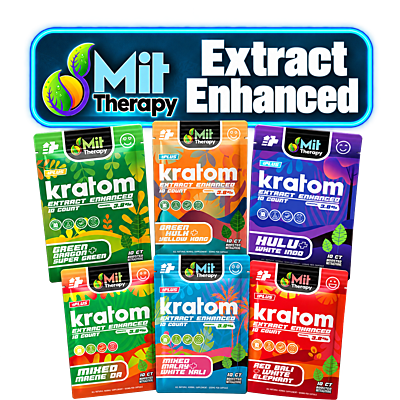
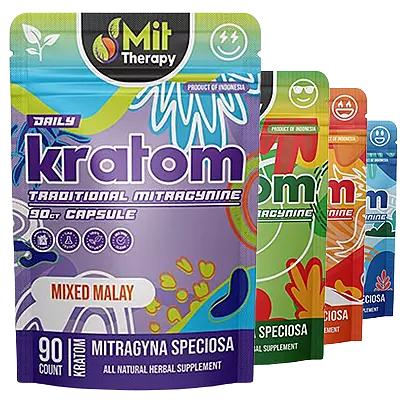
💡 Below are some popular Red Kratom products people often shop for —
Red Vs Green Vs White Kratom: What’s The Difference?
Although red, white, and green Kratom all come from the same plant (Mitragyna speciosa), they are grouped based on vein color and post-harvest processing. Here’s how they differ:
Factors | Red Kratom | ||
Origin | Southeast Asia (Indonesia, Thailand, Borneo) | Southeast Asia (Indonesia, Thailand, Malaysia) | Southeast Asia (Indonesia, Thailand, Borneo) |
Vein Color | Red-colored leaf veins | Green-colored leaf veins | White/light-colored leaf veins |
Leaf Maturity | Typically mature leaves | Mid-maturity leaves | Younger leaves |
Drying Process | Longer drying or fermentation methods | Balanced drying process | Shorter drying, minimal fermentation |
Powder color | Deep green to reddish-brown | Bright to olive green | Light green to pale tone |
Alkaloid Balance | Higher ratio of metabolized 7-OH | A balance of mitragynine and 7-OH | High concentration of the primary alkaloid mitragynine |
Strain Varieties | Red Bali, Red Maeng Da, Red Borneo, Red Thai, Red Sumatra | Green Maeng Da, Green Malay, Green Borneo, Green Thai | White Maeng Da, White Borneo, White Thai, White Sumatra |
💡 Know more about Kratom strains and how they differ, read next:
Common Ways People Take Red Vein Kratom
Below are some common ways in which people like to enjoy the benefits of Kratom red strain:
🌿 Toss and Wash (Powder): Place a measured amount of powder in the mouth and wash it down with water or juice.
🥛 Mixed in a Drink:Stir the powder into water, juice, or tea to make it easier to take.
💊 Capsules: Pre-filled capsules are swallowed with water for a simple, no-prep option.
☕ Kratom Tea: Simmer the powder in hot water, strain the liquid, and drink once cooled slightly.
🥤 Blended into Smoothies: Add the powder to a smoothie to help balance its natural bitterness
✔️ Parachuting: Wrap a small amount of powder in thin paper (like edible film or tissue) and swallow it with water.
7 Tips To Choose High-Quality Red Kratom Products
Now that you know all about red Kratom, let’s help you choose the best red Kratom products:
👉Check the vendor’s transparency: Reliable sellers clearly list sourcing details and basic product information.
👉Look for third-party lab reports: A recent Certificate of Analysis (COA) shows the batch was tested for content and contaminants.
👉Review batch details: Fresh batches are usually labeled with lot or batch numbers.
👉Notice the powder appearance:It should look fine and evenly ground, without clumps or excess moisture.
👉Read real customer feedback: Consistent reviews often say more than marketing claims.
👉Avoid unrealistic claims: Be cautious of products advertised with exaggerated promises.
👉Check packaging quality:Sealed, airtight packaging helps maintain freshness.
Also read — How To Read Kratom Lab Test Results
Questions You May Ask As A Red Kratom User
Where Can I Buy Red Kratom Products?
Red Kratom products are widely available on both offline stores and online vendors. But if you are unsure about buying from smoke shops or convenience stores, you can always switch to better online vendors like MIT Therapy. Most reputed brands have red vein Kratom powder or capsules in stock.
Which One Should I Choose Between Red And Green Kratom?
Choosing between red vs green Kratom comes down to your personal preference. Both come from the same plant, but they’re grouped based on vein color and processing. So if you are unsure, you can try both of them and understand which fits you the best.
💡 You can also read: Red vs Green Kratom: Find the Right Strain
Which Is The Strongest Red Kratom Strain?
Red Maeng Da is widely recognized as the strongest red vein strain due to its unique cultivation process that involves blending mature red leaves with a small portion of white leaves. This specific agricultural mix results in a higher overall concentration of total active alkaloids compared to single-source red strains.
Is Red Kratom Legal In My State?
Kratom is legal at the federal level in the U.S., but some states and cities have restrictions. It’s best to check your local laws before buying. Before you shop for any red Kratom product, don’t forget to check the Kratom Summary Of State Laws.
Which Is The Best Red Kratom Strain In The Market?
Red Bali is widely considered the best choice on the market because it is a pure, single-origin variety grown in nutrient-dense volcanic soil. It is one of the most easily available strains in the market and can be shopped from both online and offline Kratom stores.
Know more about this popular strain, read next — Red Bali Kratom guide
Which Red Strain Should I Choose As A Beginner?
If you are starting your journey with a red strain, then it’s best that you go for lighter options like – Red Bali, Red Borneo or Red Indo strains.
What Is The Difference Between Red Thai Kratom And Red Malay Kratom?
Red vein Thai Kratom strain is grown in Thailand and processed with short drying cycles to keep its primary alkaloids balanced. Red Malay Kratom is grown in Malaysia and develops a high concentration of secondary alkaloids due to the country's unique soil and longer leaf growth periods.
💡Read next —
Disclaimer: This article is provided for informational purposes only. It is not intended to diagnose, treat, cure, or prevent any condition. Kratom products are not approved by the U.S. Food and Drug Administration (FDA), and their safety has not been fully evaluated.
Laws and regulations regarding kratom vary by state and country. It is your responsibility to review local regulations before purchasing or possessing any kratom product. Always follow the guidance provided on the product label and consult a qualified professional if you have questions about suitability.